Movement Makes a Home Feel More Real
By Repropix Editor
Movement Makes a Home Feel More Real
By Repropix Editor
Still photography is essential for real estate marketing, but there is something uniquely powerful about seeing a property through movement. A photograph can show buyers what a room looks like, while a well-produced cinematic tour can help them understand how that room connects to everything around it.
Movement gives viewers the opportunity to experience the property as a sequence of spaces rather than as a collection of separate images.
A camera moving naturally through a hallway, entering a living room, revealing a kitchen, or transitioning toward an outdoor area can create a stronger sense of physical presence. Instead of simply looking at a room from one fixed position, buyers begin to feel as though they are moving through the home themselves. This can make the property easier to understand and more emotionally engaging, especially for buyers who are discovering it online before they ever have an opportunity to visit. Movement turns the listing into an experience and helps bridge the gap between seeing a property on a screen and imagining what it would actually feel like to walk through it.
Movement Creates a Sense of Space
One of the challenges of marketing a property online is communicating its true sense of space.
A collection of photographs can show individual rooms, but it does not always make the relationship between those rooms immediately clear. A cinematic walkthrough can solve this by showing how one space leads naturally into another. Moving from an entrance into a hallway, from the hallway into a living area, or from the living area toward the kitchen allows buyers to understand the flow of the property.
They can begin to understand how rooms, doorways, windows, furniture, and architectural features relate to one another. This makes the home feel more three-dimensional and easier to visualize.
Movement can also reveal depth that may be difficult to communicate through a single photograph. As the camera progresses through a room, viewers see foreground, middle ground, and background working together, giving them a stronger sense of scale. The result is a more realistic impression of the property that can help buyers understand not just what each room looks like, but how the home actually feels to move through.
Cinematic Tours Create a More Immersive Experience
A cinematic tour can transform a listing from a simple gallery into a visual journey.
Instead of asking buyers to imagine how the rooms connect, the video can guide them through the property in a natural and carefully planned sequence. Smooth camera movement, thoughtful transitions, controlled pacing, and carefully selected angles can make the experience feel polished and immersive. This is particularly valuable for buyers who are researching properties remotely or narrowing down their options before arranging in-person visits.
A cinematic tour can give them a much stronger initial understanding of the home and allow them to explore its atmosphere from wherever they are.
The movement creates continuity between different parts of the property, helping viewers remain engaged as they discover one feature after another. Rather than presenting the home as a static collection of spaces, the video gives it a sense of life and progression. This can make the property feel more accessible and familiar, even before the buyer physically steps through the front door.
Show Buyers How the Home Connects Together
A property’s layout is one of the most important factors buyers consider, but floor plans and individual photographs do not always communicate flow effectively.
Movement can provide a more intuitive way to understand how spaces relate to one another. When a camera travels from the living room into the dining area and then toward the kitchen, buyers can immediately see how those areas interact. When the camera moves from an interior space toward a balcony, terrace, garden, or patio, viewers can understand the connection between indoor and outdoor living.
This type of visual continuity can be especially useful in open-plan properties, larger homes, and spaces with distinctive layouts.
Buyers can begin to form a mental map of the home without having to piece together separate photographs. The property becomes easier to understand because the visual experience follows a natural path. This stronger sense of connection can also help buyers imagine how they would move through the home during everyday life, from morning routines to entertaining guests and relaxing in the evening.
Movement Helps Communicate Atmosphere
A home is not defined only by its walls, rooms, and dimensions.
Atmosphere is an important part of how a property is experienced, and movement can help communicate that atmosphere in ways that still photography cannot always achieve. The slow movement of a camera through a bright living room can emphasize openness and calm. A smooth transition into a beautifully designed kitchen can highlight the relationship between different areas. Moving toward large windows can reveal natural light and views, while an exterior sequence can communicate the relationship between the house, garden, and surrounding environment.
These moments help create a sense of rhythm and emotion.
Music, pacing, lighting, and camera movement can work together to establish an overall feeling without distracting from the property itself. When done professionally, cinematic movement does not simply make a video more attractive—it helps viewers experience the personality of the home. That emotional experience can make the property feel more authentic, more inviting, and easier to imagine as a real place where everyday life could happen.
Professional Photography Creates the Visual Foundation
Cinematic video works best when it is supported by strong professional photography.
HDR photographs provide detailed, carefully composed images that buyers can return to when they want to examine specific rooms or features more closely, while cinematic video provides movement and continuity. The two formats complement each other rather than competing with one another.
Photography can highlight the strongest individual moments of a property, while video can show how those moments fit together.
Professional lighting, exposure, composition, and editing are important across both formats because inconsistent visual quality can weaken the overall presentation. When photographs and video share the same professional standard, the property develops a consistent visual identity across the entire marketing campaign. Buyers may first discover the home through a photograph, then watch the cinematic tour, and later return to the photo gallery to examine specific details. Each format supports the others and creates a more complete understanding of the property.
Movement Makes Empty Spaces Feel More Connected
Even when a property is vacant, movement can help give the space a stronger sense of presence.
Empty rooms can sometimes appear flat or disconnected when shown only through static images because viewers have fewer visual references for understanding scale and flow. A moving camera can travel through these spaces and reveal their proportions, connections, windows, doorways, and potential uses. This can make it easier for buyers to imagine furniture placement and everyday activities.
When combined with virtual staging, cinematic movement can become even more powerful because viewers can see how an empty room could function as a finished living environment while still experiencing the spatial relationship between areas.
Instead of seeing an empty room as an isolated box, buyers can begin to imagine how it connects to the rest of the home. Movement therefore adds context and helps transform spaces from static areas into possibilities.
Aerial Movement Expands the Story Beyond the Walls
Movement does not have to stop at the front door.
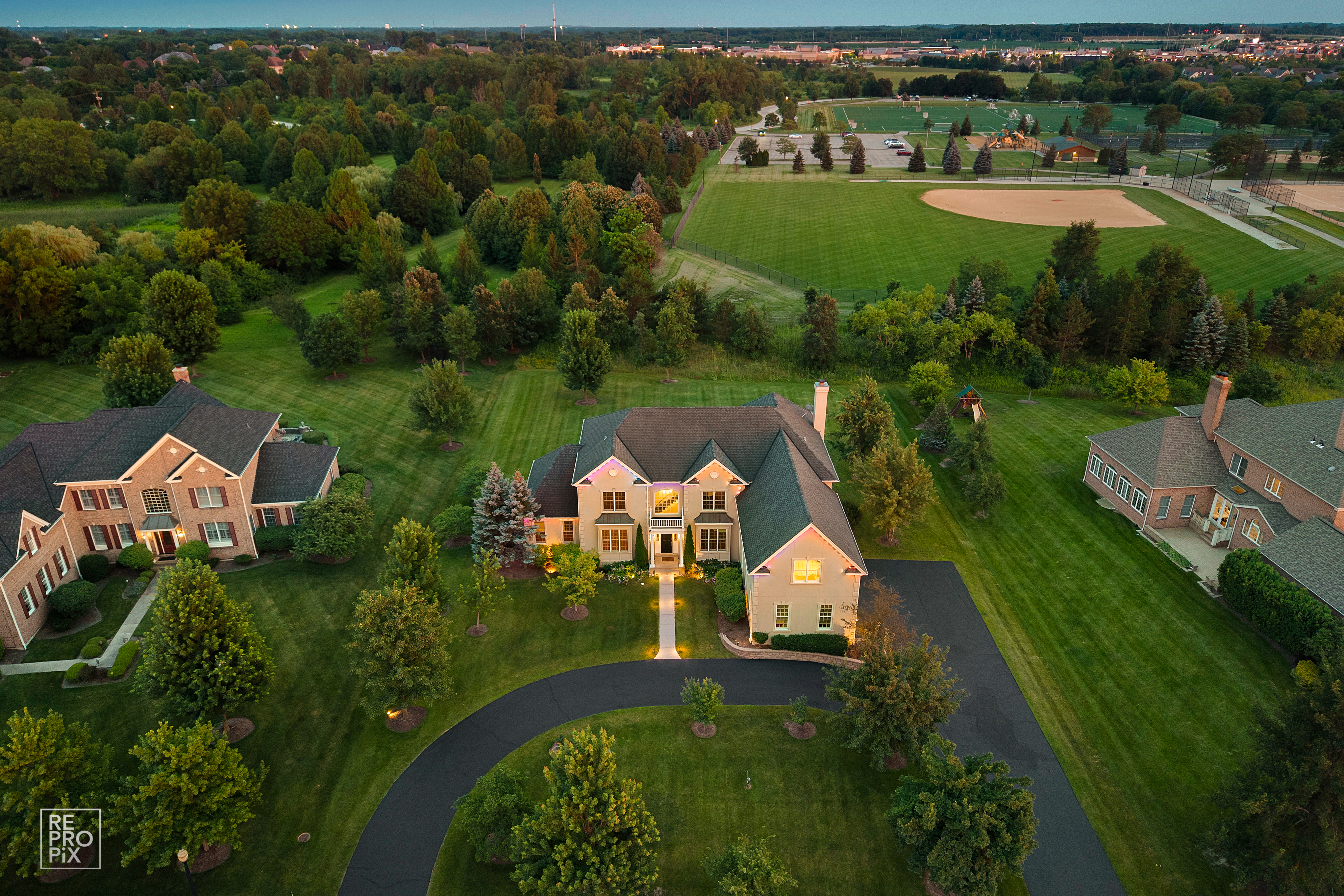
Aerial videography can add another layer to the property’s story by showing the home from above and revealing its relationship with the surrounding environment. A moving aerial camera can gradually reveal the property, surrounding landscape, neighborhood, nearby amenities, outdoor areas, access points, and overall setting.
This wider perspective provides information that interior photography alone cannot communicate.
Buyers can understand the size and position of the property while gaining a better sense of its surroundings. Aerial movement can also create a strong opening or closing sequence for a cinematic property video, giving the presentation a broader sense of scale. When interior movement and aerial footage are combined, the viewer experiences the property at multiple levels—from individual rooms to the entire exterior environment. This helps create a more complete picture of what owning and living at the property could actually feel like.
Movement Encourages Buyers to Stay Engaged
Online attention is limited, and real estate listings compete constantly for the viewer’s time.
Static images are valuable, but video introduces another form of engagement by creating continuous visual progression. Each movement naturally leads into the next moment, encouraging viewers to continue watching to see what comes next. A well-structured cinematic tour can reveal the property gradually rather than presenting everything at once.
This creates curiosity and gives the viewer a reason to remain engaged throughout the experience.
The pacing should feel natural and intentional, allowing important spaces enough time to make an impression without making the video feel slow or repetitive. When buyers remain engaged for longer, they have more opportunities to absorb the property’s features and form an emotional connection with the space. The goal is not simply to create a longer piece of content, but to create a more compelling viewing experience that makes the property worth watching.
Help Buyers Imagine Themselves Living There
The greatest strength of movement may be its ability to help buyers imagine everyday life inside the property.
A camera entering through the front door can create the feeling of arriving home. Moving through a living room can suggest how guests might gather. A transition toward the kitchen can communicate how different areas could be used throughout the day. Moving from an interior space onto a terrace or into a garden can make outdoor living feel like a natural extension of the home.
These visual sequences allow buyers to mentally place themselves inside the property.
Instead of simply asking, “What does this home look like?” they may begin asking, “What would it feel like to live here?” That shift is important because real estate decisions are often influenced by emotion as much as practical considerations. When a property becomes easier to imagine as part of someone’s future lifestyle, it can become more meaningful and memorable.
Turn Static Listings Into Living Experiences
Professional real estate marketing is no longer limited to showing buyers a series of photographs.
Today’s strongest presentations can combine professional HDR photography, cinematic movement, aerial visuals, and other visual techniques to create a complete experience. Movement makes the property feel more tangible because it introduces continuity, depth, rhythm, and perspective. It allows buyers to understand how spaces connect, experience the atmosphere of the home, and imagine themselves moving through the property.
When combined with carefully composed photography, video becomes part of a broader visual strategy designed to communicate the property’s full potential.
The objective is not to replace photography, but to build on it and give buyers another way to experience the home. In a competitive market, that additional layer of realism can make a meaningful difference. A property that feels real, connected, and immersive on screen has a stronger chance of capturing attention and creating the desire to experience it in person.
Visuals That Guarantee Sales
At Repropix, we’re dedicated to helping real estate agents and property owners present their listings in the best possible light.
Our team of professional real estate photographers and videographers specializes in creating stunning, high-quality visuals that attract buyers and close sales. From breathtaking HDR photos to aerial videography, we offer a comprehensive range of services to suit every property’s unique needs.
If you’re ready to boost your sales and stand out in the competitive real estate market, contact us today. Let us help you showcase your property with stunning visuals that guarantee results.
Don’t settle for ordinary—let us help you create extraordinary.
Let’s work together to take your real estate marketing to the next level. Contact us for stunning real estate visuals and follow us on Facebook
Choosing who shoots your next listing? Here’s our advice, featured on Redfin: How to Choose the Right Real Estate Photographer
Share This Post on Your favorite platform!
Other posts
Trusted by: