An Empty Room Is Full of Possibilities, but Buyers Don’t Always See Them
By Repropix Editor
An Empty Room Is Full of Possibilities, but Buyers Don’t Always See Them
By Repropix Editor
Walking into an empty property can feel very different from entering a beautifully furnished home. Although an unfurnished room may offer plenty of space, natural light, and attractive architectural features, it can be difficult for potential buyers to understand how everything could come together. They see bare walls, empty floors, and open spaces, but they may struggle to imagine where furniture should go, how the room could be used, or what kind of atmosphere it could offer. This is particularly challenging when buyers are browsing properties online, because photographs provide limited context for understanding the potential of an empty interior.
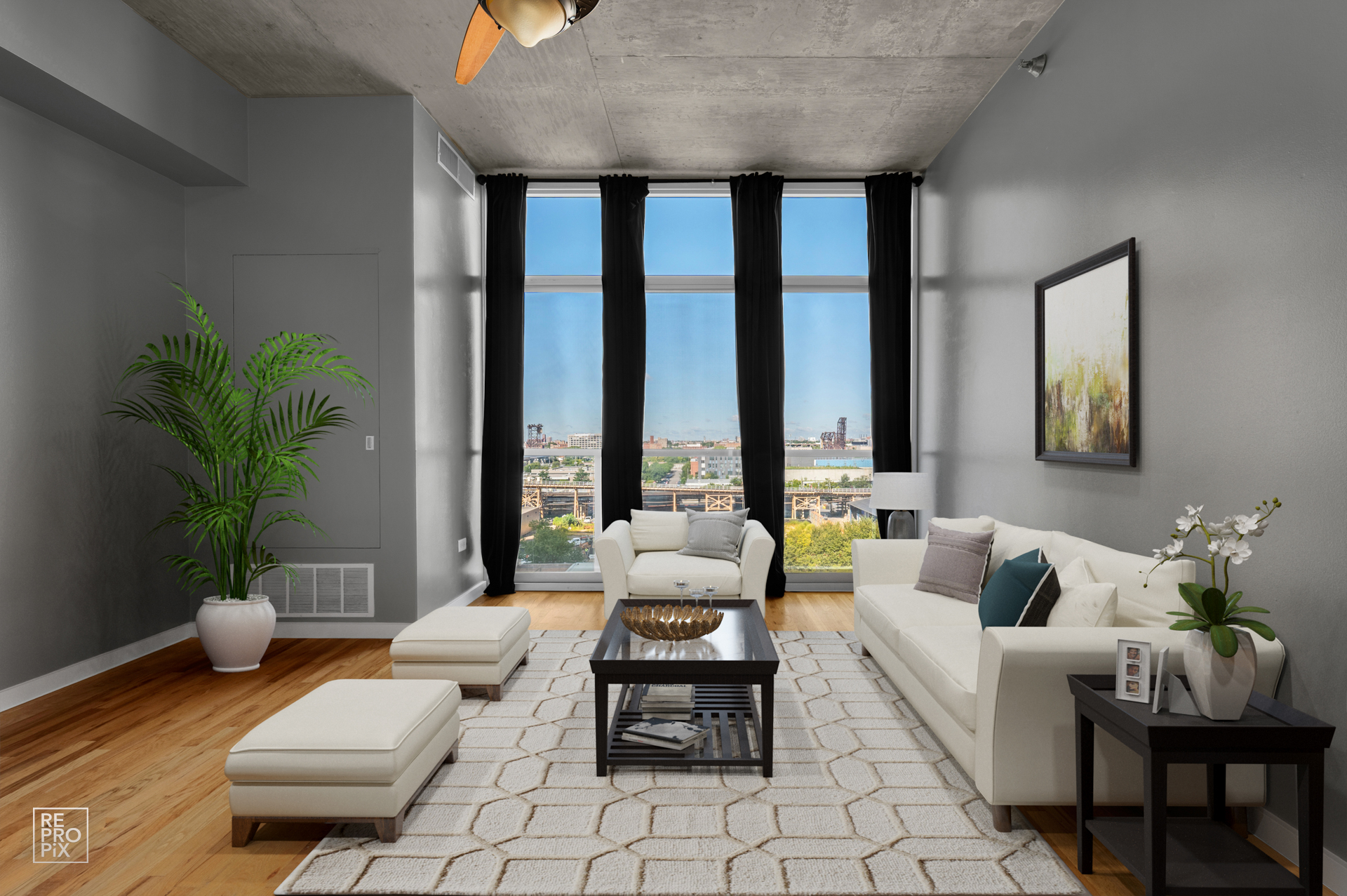
Virtual staging helps bridge this gap by transforming vacant property photographs into realistic, furnished spaces.
Through carefully selected digital furniture, decorations, lighting elements, and interior design details, an empty room can become a welcoming living area, a comfortable bedroom, or a functional home office. The purpose is not to change the property itself, but to help buyers see what is already possible within its existing space.
Show Buyers How Every Space Can Be Used
One of the biggest advantages of virtual staging is its ability to communicate the purpose and potential of individual rooms.
An empty room does not always have an obvious function, particularly when it has an unusual layout or could serve several different purposes. Buyers may wonder whether it would work better as a guest bedroom, a home office, a children’s room, or an additional living area.
Virtual staging provides a visual example of how the space could be arranged and used.
Adding a desk, comfortable chair, shelving, and suitable lighting can demonstrate the potential of a spare room as a workspace. A different arrangement with a bed and bedside tables can present the same room as a welcoming bedroom. These visual examples make it easier for buyers to understand the flexibility of the property and consider how it could accommodate their own needs. Instead of leaving them to imagine every detail independently, virtual staging gives them a practical starting point and helps communicate the possibilities that may not be immediately obvious from an empty photograph.
Create an Emotional Connection Through Interior Design
Buying a home is not purely a practical decision.
Buyers also respond to atmosphere, comfort, and the lifestyle they imagine experiencing in a particular space. An empty property can communicate its dimensions and condition, but it may not create the same emotional response as a thoughtfully furnished interior. Virtual staging introduces visual elements that help establish this atmosphere. A comfortable sofa, a carefully selected dining table, warm decorative details, and balanced colour combinations can make a living space feel more inviting. A bedroom with coordinated furniture and soft interior styling can communicate a sense of comfort and relaxation.
These details help transform a technically accurate photograph into a more inspiring visual presentation.
The goal is to encourage buyers to imagine everyday moments within the property, from enjoying a quiet evening in the living room to sharing meals around the dining table. When a space feels more relatable, it becomes easier for viewers to picture themselves living there. This emotional connection can make a property more interesting and memorable during the online browsing process.
Make Small or Unusual Rooms Easier to Understand
Not every property has perfectly proportioned rooms or a straightforward layout.
Some spaces may be narrow, unusually shaped, or difficult to interpret without furniture. In an empty photograph, buyers may struggle to judge whether a room can accommodate a bed, sofa, dining table, or other essential pieces. Virtual staging helps provide a sense of scale by introducing appropriately sized furniture and arranging it in a realistic way. This allows viewers to better understand how the available space might function. A compact living room can be presented with a carefully selected sofa and a practical furniture arrangement, while a smaller bedroom can demonstrate how to use the available floor area efficiently. Even awkward corners or unusual room shapes can become easier to understand when buyers see a possible layout.
Good virtual staging should always respect the actual dimensions and architecture of the property.
Furniture that is too large or unrealistic can create the wrong impression, so accurate proportions and thoughtful placement are essential. When done professionally, virtual staging helps communicate the possibilities of a room without making it appear larger or more spacious than it really is.
Give Newly Built and Unfurnished Properties a Stronger Presentation
Newly constructed properties and vacant homes often present a particular marketing challenge.
Their interiors may be clean, modern, and finished to a high standard, but without furniture, they can sometimes appear cold or unfinished in photographs. Buyers may appreciate the architecture and materials while still finding it difficult to imagine how the property would feel as a home. Virtual staging provides a practical solution by showing how the finished spaces could look with carefully selected furnishings and interior styling. A newly built apartment can be presented as a complete living environment, with a furnished lounge, inviting bedroom, and functional dining area.
An unfurnished family home can be shown with coordinated interiors that help communicate its potential for everyday living.
This is especially valuable when developers need to market properties before buyers have an opportunity to see a fully furnished show home. Rather than relying entirely on empty-room photographs, they can offer a more inspiring visual reference that helps communicate the lifestyle associated with the property.
Choose the Right Interior Style for the Property
Successful virtual staging is not simply about adding attractive furniture to an empty room.
The chosen design should complement the property’s architecture, target audience, and overall character. A modern apartment may benefit from clean lines, neutral colours, and contemporary furniture, while a traditional house may look more natural with warmer materials, classic details, and a more timeless interior style. The size of the rooms, the available natural light, existing finishes, and the property’s location should all influence the design decisions.
When virtual furniture and decorations are selected carefully, they can enhance the existing features rather than compete with them.
Consistency is equally important. If the living room has a contemporary design, the kitchen and bedrooms should follow a compatible visual direction so that the entire property feels cohesive. A well-planned staging concept creates a believable interior that helps buyers understand the home’s potential. The strongest results do not necessarily come from the most expensive-looking furniture or the latest design trends. They come from choosing a style that makes sense for the property and presents it in an attractive, realistic way.
Make Your Online Listing More Visually Appealing
For many buyers, the property search begins online.
They scroll through photographs, compare different homes, and decide which listings deserve closer attention. In this environment, visual presentation plays an important role in attracting interest. An empty property can sometimes struggle to communicate its potential when placed alongside beautifully furnished listings.
Virtual staging helps create a more engaging first impression by presenting vacant interiors in a way that is easier to understand and appreciate.
Instead of showing only bare rooms, agents can include digitally furnished photographs that demonstrate how the spaces could be used. This creates more visual variety within the listing and provides buyers with additional information about the property. Staged images can also be shared across social media, websites, and digital advertising campaigns, giving agents more opportunities to present the property consistently. Importantly, virtual staging should complement rather than replace accurate property photographs. Showing the original empty space alongside the staged version allows buyers to understand the property’s current condition while appreciating the possibilities offered by its layout and design.
Virtual Staging Is More Flexible Than Traditional Furniture Staging
Preparing a vacant property for traditional physical staging can involve considerable planning.
Furniture needs to be selected, transported, arranged, and sometimes removed again after the photography session. Depending on the size of the property and the amount of furniture required, this process can involve additional costs and logistical challenges. Virtual staging offers a more flexible alternative because the furniture and interior design elements are added digitally to existing property photographs. There is no need to deliver physical furniture or organise an entire interior setup before the photoshoot. Different design concepts can also be explored without changing the actual room.
The same living area could be presented with a minimalist arrangement, a warm contemporary interior, or a more traditional furniture style, depending on the marketing direction.
This flexibility makes virtual staging particularly useful for vacant homes, investment properties, rental listings, and newly completed developments. It allows agents and sellers to improve the visual presentation of an empty property while keeping the process practical and adaptable.
Keep the Presentation Attractive but Honest
Although virtual staging offers many creative possibilities, accuracy and transparency should always remain priorities.
The purpose of staging is to help buyers imagine how a space could look, not to create unrealistic expectations about the property. Furniture should be presented in appropriate proportions, architectural features should remain accurate, and the original layout should not be digitally altered in a misleading way. Important elements such as windows, doors, walls, and permanent fixtures should reflect the actual property.
It is also important to make it clear when photographs have been virtually staged, so viewers understand that the furniture and decorations are digital additions rather than items included in the sale.
Showing both the original photograph and the staged version is an effective way to communicate this difference. This approach allows buyers to appreciate the design possibilities while maintaining confidence in the accuracy of the listing. Professional virtual staging should enhance the property’s presentation without hiding its real condition. A trustworthy marketing strategy creates a stronger foundation for buyer interest because it combines inspiration with realistic expectations.
Turn Empty Spaces Into Inspiring Property Presentations
An empty property should never be judged only by what is visible in an unfurnished photograph.
Behind every vacant room is an opportunity to create a comfortable living area, a functional workspace, a relaxing bedroom, or a welcoming place for family and friends. Virtual staging helps make these possibilities visible by transforming professional property photographs into realistic interior design presentations. It gives buyers a clearer understanding of room functionality, helps establish an inviting atmosphere, and makes it easier to imagine how the property could fit their lifestyle. For sellers and agents, it provides a flexible way to improve online listings without the logistical demands of traditional furniture staging.
When combined with professional HDR photography, virtual staging becomes an especially effective marketing tool because the original images provide a clear and balanced foundation for realistic digital interiors.
In a competitive property market, helping buyers see beyond empty walls and floors can make a meaningful difference to how they perceive and remember a listing. The most effective presentation does not simply show buyers what a property looks like today. It also helps them imagine what it could become tomorrow.
Visuals That Guarantee Sales
At Repropix, we’re dedicated to helping real estate agents and property owners present their listings in the best possible light.
Our team of professional real estate photographers and videographers specializes in creating stunning, high-quality visuals that attract buyers and close sales. From breathtaking HDR photos to aerial videography, we offer a comprehensive range of services to suit every property’s unique needs.
If you’re ready to boost your sales and stand out in the competitive real estate market, contact us today. Let us help you showcase your property with stunning visuals that guarantee results.
Don’t settle for ordinary—let us help you create extraordinary.
Let’s work together to take your real estate marketing to the next level. Contact us for stunning real estate visuals and follow us on Facebook
Choosing who shoots your next listing? Here’s our advice, featured on Redfin: How to Choose the Right Real Estate Photographer
Share This Post on Your favorite platform!
Other posts
Trusted by: